The Hidden Revenue in Your Rental Business You're Probably Leaving Behind
Getting more revenue from your existing customers and order volume doesn't always mean adding new inventory. Several profitable revenue streams are already within reach.
Priya Sharma
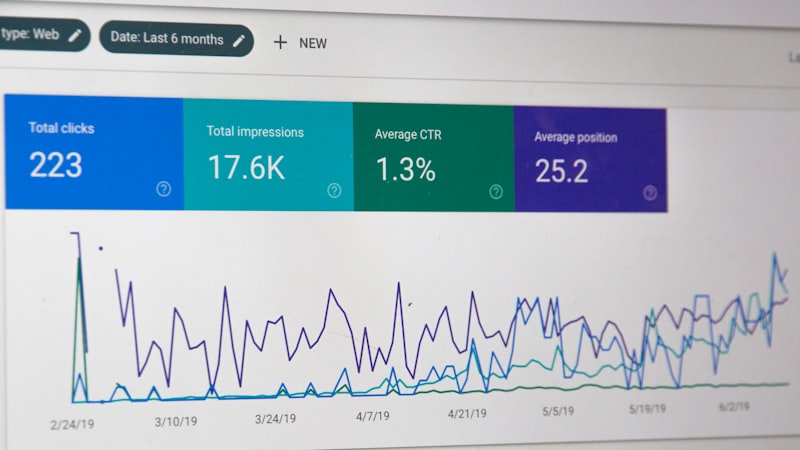
Most rental operators track utilization closely — what percentage of inventory is out on any given weekend, and how to push that number higher. That's important, but utilization is only one dimension of revenue. There are several revenue streams available to rental businesses that go untapped, not because they're hard to implement, but because they're easy to overlook when you're focused on fulfilling orders.
The businesses below all generate revenue from customers and inventory they already have. None of them require adding new equipment or finding new markets.
Delivery Pricing That Reflects Actual Costs
If you're offering free delivery or charging a flat rate regardless of distance, you're likely subsidizing your furthest customers. Delivery is a real cost — fuel, driver time, vehicle wear, and the opportunity cost of that vehicle being unavailable for other runs during that window. Pricing it accurately protects your margins on every order.
Review your current delivery charges against your actual costs for different zones. Consider tiered pricing based on distance or a base fee plus a per-mile rate. Most customers expect to pay for delivery — the only reason not to charge what it actually costs is inertia. Adjusting delivery pricing is often the fastest way to improve per-order profitability with zero changes to your inventory or operations.
Add-On Accessories That Customers Actually Want
Every major rental category has natural add-ons that customers often don't think to ask about but will purchase when presented with the option. Table linen rentals pair naturally with napkins, overlays, and chair sashes. Tent rentals open conversations about sidewalls, flooring, and lighting. Audio equipment leads to questions about stands, cables, and microphone packs.
Building these pairings into your catalog — either as suggested items during the booking flow or as clearly grouped categories — increases average order value without acquiring a single new customer. If your rental management platform supports it, configure related-item suggestions so customers see complementary products when they're already placing an order.
Damage Protection Plans
A damage protection plan — also called a damage waiver — is a small upcharge, typically 5–10% of the rental total, that covers the customer against accidental damage during the rental period. For customers, it removes anxiety about paying for a cracked glass or a scuffed table leg. For you, it generates predictable revenue that contributes toward your repair and replacement costs.
Customers frequently opt in when the waiver is presented clearly, priced reasonably, and framed as peace of mind rather than a penalty. If you're not currently offering this option, you're leaving behind both revenue and a mechanism that helps offset the real cost of wear and damage.
Off-Peak Packages for Weekday Demand
Most event rental businesses are booked solid on Saturdays with significant idle inventory Monday through Friday. Even if you can shift a fraction of that inventory into weekday events, you increase revenue without adding to your peak-day operational load.
Corporate events, morning breakfast programs, community organization gatherings, and nonprofit fundraisers often run on weekdays with flexible budgets and timing. A modest weekday discount — framed as a weekday package rather than a discount — makes these customers feel like they're getting value while keeping your Saturday pricing intact. Those weekday bookings still contribute to covering your fixed costs and keeping staff productive through the week.
Late Return Fees, Enforced Consistently
Late returns create cascading problems — delayed cleaning, late prep for the next order, and sometimes the painful conversation with the next customer whose event is affected. Most rental operators have a late fee policy but don't enforce it consistently, either because it's uncomfortable or because the tracking isn't in place to catch every instance.
When return times are tracked automatically through your rental management system and fees are applied systematically, enforcement stops being a personal judgment call. It becomes a policy your system follows, which makes it easier to apply and removes the awkwardness of singling out individual customers. The customers who return equipment on time — the majority — benefit from an operation that runs more smoothly as a result.
The most profitable changes for a rental business are often the ones that don't require new inventory or new customers — just better practices around what's already happening.
Conclusion
None of these revenue opportunities require adding equipment or expanding into new markets. They're built on what you're already doing. Reviewing your delivery pricing, offering relevant accessory add-ons, introducing a damage waiver, creating weekday packages, and enforcing your late-return policy consistently can meaningfully improve revenue from your existing customer base. Start with the one that feels most straightforward for your operation and build from there.
Explore More Rental Guides
- Boost Your Event Business with Event Rental Management Software
- Enhance Your Event Operations with Event Rental Management Software
- Maximize Your Event Success with Event Rental Management Software
- Revolutionize Your Event Planning with Event Rental Management Software
- Streamline Your Events with Event Rental Management Software
- Transform Your Event Planning with Event Rental Management Software
- Simplifying Operations in Event and Party Rental Businesses with Software
- Rental Business Ideas: Ride the Sharing Economy Wave to Success
- Unlock Efficiency: How Online Booking Management Tools Can Scale Your Business
- Mastering Inventory and Equipment Management for Rental Businesses
- How to Position Your Rental Business Against the Competition
- Why Online Booking Is No Longer Optional for Rental Operators
- How to Expand Into New Equipment Categories Without Overextending
- Repair vs. Retire: A Decision Framework for Aging Rental Equipment
- Building a Loyalty Program for Repeat Rental Customers
- The Customer Onboarding Checklist Every Rental Business Needs
- How to Handle Missing or Damaged Rental Equipment Without Losing the Customer
- How to Launch a Referral Program That Works for Rental Operators
- The True Cost of Running Your Rental Business on Spreadsheets
Try Rental Crafter
Rental Crafter helps event and party rental teams manage inventory, bookings, contracts, and customers in one place. Explore our product features, pricing plans, documentation, free trial signup, party rental software.
Run your rental business smarter
Rental Crafter helps event and party rental teams manage inventory, bookings, and customers in one place.
Free 14-day trial · No credit card required
Related articles

Priya Sharma
How to Position Your Rental Business Against the Competition
In a market full of similar-looking options, the rental businesses that win long-term do so through clarity, consistency, and service — not just price.
Read article: How to Position Your Rental Business Against the Competition →
Priya Sharma
How to Launch a Referral Program That Works for Rental Operators
Most rental businesses grow significantly through word of mouth without ever formalizing it. A referral program doesn't create that behavior — it amplifies it and makes it consistent.
Read article: How to Launch a Referral Program That Works for Rental Operators →
Priya Sharma
Building a Loyalty Program for Repeat Rental Customers
Acquiring a new rental customer costs far more than keeping an existing one. A simple loyalty program — done right — turns one-time renters into your most reliable revenue.
Read article: Building a Loyalty Program for Repeat Rental Customers →